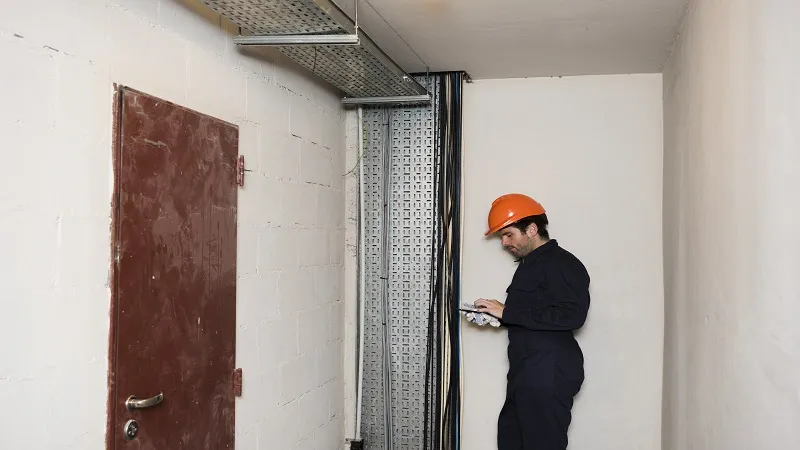
Homeowners today are increasingly looking for ways to improve comfort, accessibility, and long-term property value. One of the most practical upgrades in multi-level houses is a residential elevator. In areas with growing luxury housing demand, such as coastal communities, this feature is becoming more common. Home elevator installation Daniel Island SC is especially relevant for homeowners who want to enhance mobility while maintaining a modern lifestyle. A home elevator is no longer just a luxury; it is a practical solution for aging in place, carrying heavy items, and improving daily convenience.
Why Home Elevators Are Becoming Popular
Home elevators offer several benefits that make them attractive for both new and existing homes. First, they provide accessibility for elderly family members or individuals with mobility challenges. Instead of relying on stairs, residents can move between floors safely and comfortably. Second, they increase property value, as buyers often see elevators as a premium feature. Third, they make everyday life easier, especially when transporting groceries, luggage, or laundry between floors.
In coastal and upscale residential areas, modern architecture often includes multi-story designs. This makes elevators a natural addition during construction or renovation. With proper planning, they can be integrated seamlessly into a home without disrupting its design or layout.
Planning Installation in Daniel Island SC
Before starting any project, homeowners should carefully evaluate their space, budget, and long-term needs. Home elevator installation Daniel Island SC requires thoughtful planning to ensure the system fits the structure of the home and complies with safety standards. Most installations involve evaluating the available shaft space, selecting the appropriate elevator type, and ensuring the electrical system can support it.
Common types of residential elevators include hydraulic, traction, and pneumatic models. Each has its own advantages depending on space availability and usage requirements. For example, hydraulic systems are known for smooth operation, while pneumatic elevators are compact and easier to install in smaller homes.
Consulting with structural engineers and certified installers is essential during this phase. Proper planning ensures that the elevator not only functions efficiently but also blends well with the home’s interior design.
Installation Process Overview
The installation process generally begins with site preparation. This may include structural modifications, such as creating an elevator shaft or reinforcing floors. Once the structure is ready, mechanical components like rails, cables, or hydraulic systems are installed. After that, the cabin or car is assembled and tested for safety.
Electrical wiring and control systems are then integrated, allowing the elevator to operate smoothly between floors. Finally, thorough testing is conducted to ensure compliance with safety regulations and performance standards. The entire process can take several weeks depending on the complexity of the project.
Cost and Key Considerations
The cost of installing a home elevator varies based on design, materials, and home structure. Additional factors include the number of floors, customization options, and maintenance requirements. While the initial investment may be significant, the long-term benefits often outweigh the cost, especially in terms of convenience and property value.
Homeowners should also consider long-term maintenance. Regular inspections and servicing help ensure safety and extend the life of the system. Choosing energy-efficient models can also reduce operational costs over time.
Conclusion
A residential elevator is a smart investment for modern homes, offering convenience, accessibility, and added value. Whether building a new house or upgrading an existing one, careful planning and professional installation are essential. With proper design and execution, a home elevator can significantly improve quality of life while enhancing the overall functionality of the property.